micro-surfacing-palisades-rankin-county-ms

The Rankin County, Mississippi, Road Department won both the 2019 Asphalt Emulsion Manufacturers Association (AEMA) Past President’s Award and the 2019 International Slurry Surfacing Association (ISSA) Pavement Preservation Excellence Award for their 2018 Pavement Preservation Program which included the application of various treatments on over 100 miles within their roadway network.


Background

A little over two years ago, Rankin County recognized the need to take a more proactive approach to treating their roadways that would also make sense economically. Their goal was to be able to stretch their road dollars to treat more miles per year by using the right treatments on the right roads at the right time.
high-performance-cape-seal-eflex-escrub-rankin-county-ms
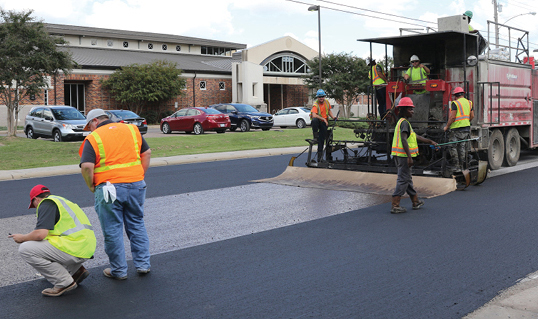
High-Performance Cape Seal (eScrub rejuvenating scrub seal +
eFlex high-polymer micro surfacing) on Old Brandon Road in Pearl, MS.
Members of the Road Department, including Road Manager Mike Harrison, attended seminars hosted by Ergon Asphalt & Emulsions (EA&E) and Etnyre and some national conferences to learn about the benefits and best practices of various pavement preservation techniques. From there, Mike, with the approval of the Rankin County Board of Supervisors, decided to move beyond the hot mix and conventional chip seals that had long been the typical go-to solutions for the county and test fog seals. They treated more than 30 miles of chip sealed surfaces throughout the county and, pleased with results, officially made fog sealing following chip seal applications part of their maintenance programs moving forward (when needed).

“The fog seals helped lock down our rocks better so that they weren’t hitting cars,” said Mike. “A plus was that it also gave the roads a nice, darker appearance and made the striping stand out better.”

Branching Out and Exploring New Treatments

Pleased with the success of fog seals, the county decided it was time to try another treatment — micro surfacing. They performed a few demo projects in 2017, including a micro surfacing application on eight miles of LeBourgeois Estates subdivision, and were pleased with the outcome. Following the successful demo, the treatment officially joined fog seals as part of a new pavement preservation era for the county. And with micro, they found they were spending significantly less money per project than with hot mix applications. For the county, it was not about downplaying hot mix, but understanding there were other, less costly options for specific distresses.

In the spirit of trying new things, Harrison also decided to try polymer modified chip seal on a few roads to determine its benefits over the conventional chip seal emulsion that had been used for quite some time. “It just seemed to hold up a lot better,” said Mike. The county has since switched to polymer modified emulsion for all of their chip seal projects.
cape-seal-live-oaks-nankin-county-ms
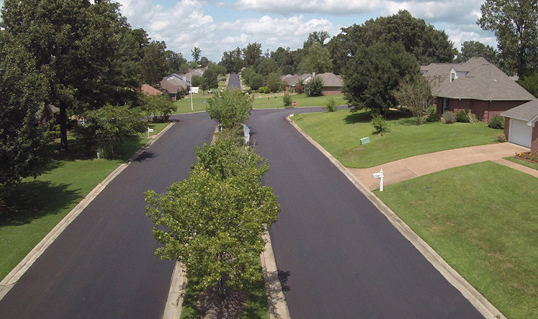
Cape Seal (Chip Seal + Micro Surfacing) in Live Oaks Subdivision in Brandon, MS.

Program Highlights

“We are taking a more economical approach to enhancing our roads in order to be able to add more miles in our budget without having to sacrifice quality,” said Steve Gaines, Rankin County Road Supervisor, District 4. “In fact, implementing these new products on the right roads has resulted in even better quality than we had before, and feedback we have received from the community post applications has been great.”

Treatments chosen as part of the county’s preservation program included chip seals (single and double), scrub seals, micro surfacing and cape seals, which were applied in the county for the first time during the 2018 program year. “In just two years, they’ve gone from using only chip seals and hot mix, to strategically using almost every pavement preservation tool in the toolbox,” said Amy Walker, EA&E Area Sales Manager and point person for Rankin County. EA&E was selected as the emulsion supplier for these applications, TL Wallace was the micro surfacing contractor, and Rankin County applied all chip and scrub seals in house.

In addition to the 55 miles of stand-alone chip seals (single and double) and the 31 miles of stand-alone micro surfacing, the county applied 12 miles of cape seal combination treatments on curb and gutter roadways in two subdivisions (six miles in Live Oaks and six miles in Barnett Bend) and two miles of a high-performance cape seal on Old Brandon Road, a high-traffic roadway in the center of downtown Pearl — the largest city in Rankin County.

Introducing Cape Seals in Rankin County

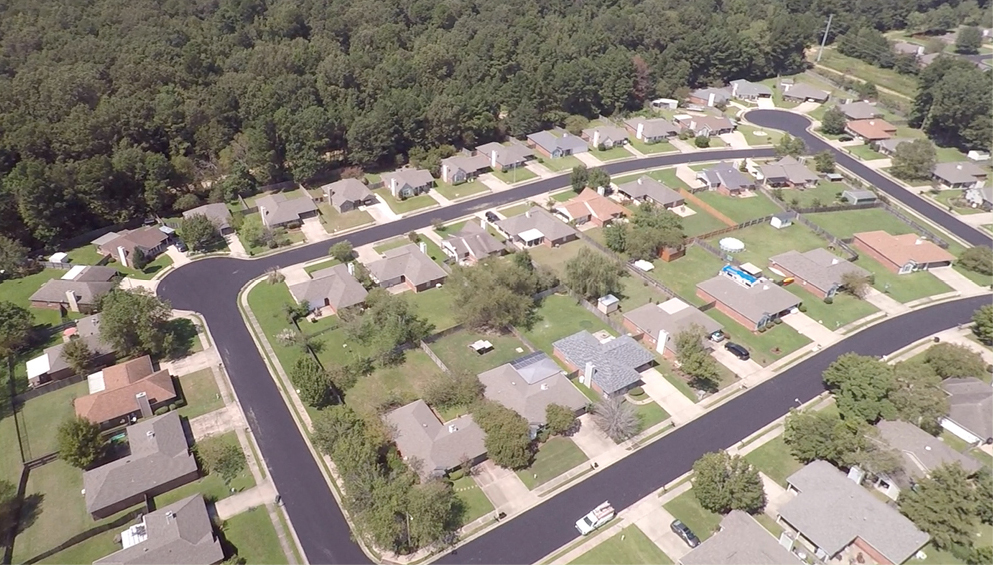
The Live Oaks cape seal applications included polymer modified chip seal and conventional micro surfacing while roads in Barnett Bend, with cracks too numerous for a typical chip seal to address, were treated with a cape seal that included a rejuvenating scrub seal and conventional micro surfacing. The scrub broom was necessary there in order to force emulsion deeper into the more widespread cracks.

Old Brandon Road in downtown Pearl was a prime candidate for the high-performance cape seal including rejuvenating scrub seal (eScrub) and high-polymer micro surfacing (eFlex), as the heavily trafficked area would require an even more durable surface than conventional treatments could provide.

“When it comes to maintaining our roads, it’s always our goal to utilize practices that allow us to extend our budget and make the most effective use of taxpayer dollars,” Mike added. “Learning about and applying the right preservation and maintenance treatments actually resulted in us having more money to spend in other areas. This was a learning curve for us, and we are still learning, but we will keep pushing forward knowing we have a winning strategy with the pavement preservation and maintenance concept.”

cape-seal-barnet-bend-rankin-county-msCape Seal (Rejuvenating Scrub Seal + Micro Surfacing)
in Barnett Bend Subdivision
The county noted that using these various treatments at the right time on the right road did in fact result in them being able to treat more miles than in previous years. Having a plan for what they would do also helped them better communicate with homeowners on the front end about everything that would be taking place, which soothed potential tensions throughout the life of the projects.

Homeowners Note Appreciation for Treatments

Homeowners were pleased with the treated roads and were appreciative of the county’s efforts to keep them informed of applications to take place in their respective areas.

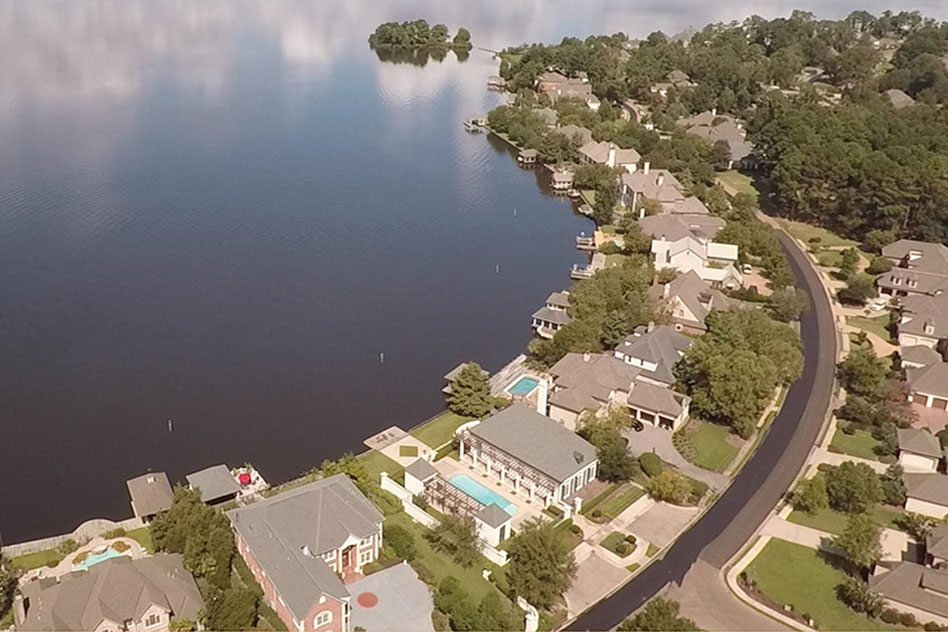
Edwin Sallis, Secretary-Treasurer of the Palisades Homeowner’s Association said, “Palisades community appreciates Rankin County’s dedication to ensuring well-maintained roads in a timely manner, and we are pleased with the maintenance work performed on roads in our subdivision. They are smooth and they have a nice appearance, which increases the value of the homes in the area. Rankin County did an excellent job informing us of the details of the project to take place, the expected time frame of the project and how homeowners would be impacted. A plus was that the micro surfacing applications provided minimal inconvenience because traffic was allowed back on the treated sections soon after application.”

Mapping Out a Plan

Appeasing stakeholders and ensuring full transparency was a major impetus for the county’s development of a pavement management plan, which included the logging and assessing of current roadway conditions in order to help make proper judgment calls regarding roads next in line for certain recommended treatments based on solid evidence.

As part of their management plan, the 2018 treatments have been logged and performance will be monitored, along with other roads scheduled for treatment. The plan will serve as an ongoing formula for improving the county’s road network while also serving as a testament to the benefit of pavement preservation treatments.

“I’m really proud that our willingness to try new products and strategies to improve our roads has paid off and has been recognized by the AEMA and ISSA organizations,” said Mike. “We look forward to continuing with our new strategy, learning about new products and processes, and keeping taxpayers happy with how their money is being spent and the quality of their roads.”

before picture

Background

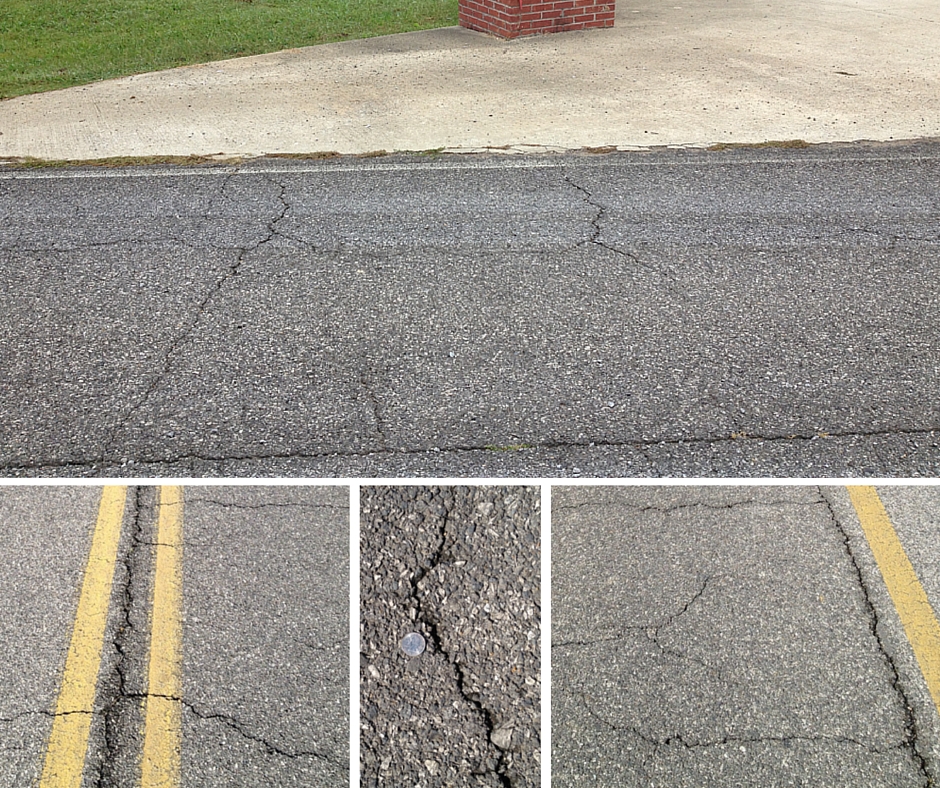
Blair Farm Road, a residential roadway in St. Clair County, Alabama, suffered severe mass cracking, including centerline joint and alligator cracking, as a result of aging and wear over time. In order to address the cracks, achieve a low-noise road, and have a brand new look and feel without incurring the expense of a full reconstruction, the county decided a triple seal would be the best solution. Use of in-house crews made this option even more cost effective.

The Best Option

The plan was to address the most critical distress and extend the durability and life of the roadway by sealing the extensive cracking in the first layer and placing a modified chip seal as the second layer. The third layer, a modified chip seal using a smaller aggregate, would provide the desired look for the finished surface, improve friction and significantly reduce tire noise associated with larger chips.

County Engineer Dan DahIke and Assistant Engineer Clay Phillips worked with Ergon Asphalt & Emulsions, Inc., Area Sales Manager Anthony Quattlebaum to evaluate options. They chose Ergon A&E’s premium rejuvenating chip seal emulsion eScrub (CMS-1PC) for the first lift. The county chose CRS-2P for the second and third lifts.

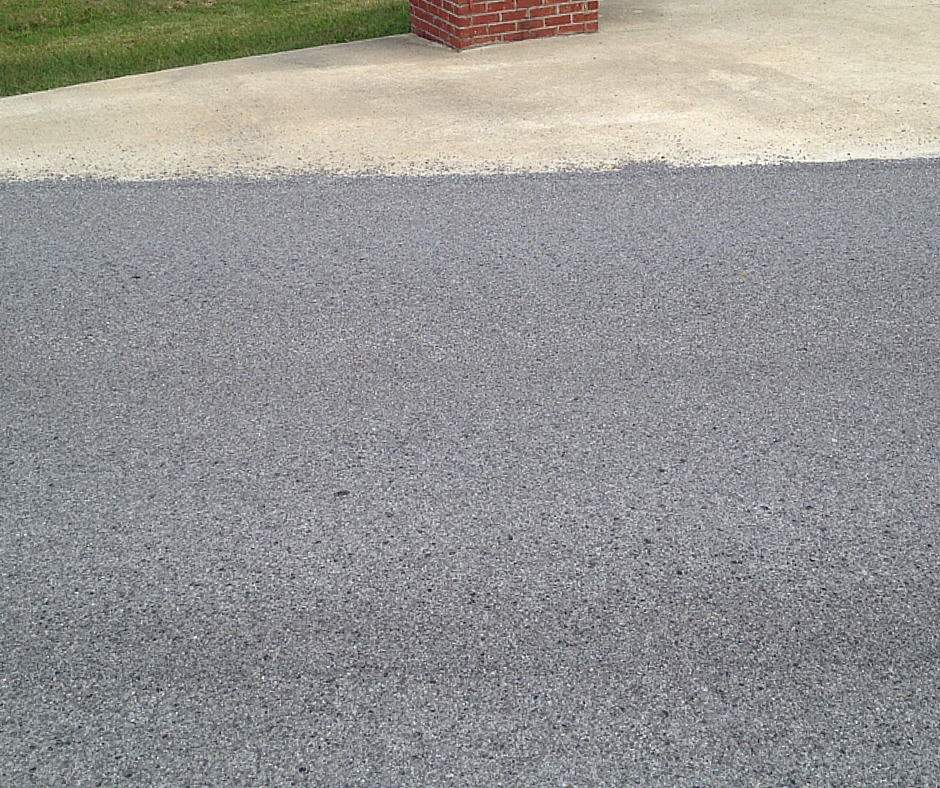
eScrub employs a simultaneous apply-and-scrub method where a highly polymer modified rejuvenating emulsion is dispersed evenly across the width of the distressed road surface by means of an asphalt distributor. The spray is followed immediately by a broom sled and broom heads force the emulsion into cracks, providing excellent protection against water intrusion into the roadbed. The rejuvenator in the eScrub emulsion adds life back to the old pavement and allows cracks to soften and bond properly to the emulsion.

The Transformation Begins: Move that Broom!

After preparing the surface by filling potholes and sweeping the debris, St. Clair County’s construction crew began the two-day triple seal application on the 1.8-mile Blair Farm Road. Temperatures in the mid 70s with overcast skies offered perfect weather conditions for timely completion of this project. Ergon A&E personnel, including Quattlebaum and Technical Marketing Manager Bill Evans, were on hand to offer technical assistance during the sealing process, providing advice related to the process.

For the first layer, eScrub was applied to the road at a rate of 0.29 gallons per square yard. A chip spreader immediately followed to spread #7 aggregate at 0.22 cubic feet per square yard. The second lift, CRS-2P, was applied at 0.22 gallons per square yard and followed with #89 aggregate applied at 0.20 cubic feet per square yard. The third and final lift of CRS-2P was applied at 0.20 gallons per square yard. A W-10 aggregate was applied to the final lift at approximately 0.10 cubic feet per square yard. Two 16-ton pneumatic tire rollers followed each layer to help orient the aggregate.

Each layer of the triple seal was able to withstand moderate traffic immediately after application, with caution to drive at decelerated speeds due to the potential for damage to the seal while in the initial state of curing. Each layer cured in just one hour. After final sweeping, the roadway was returned to full speed traffic.

Untitled design (3)

Putting eScrub to the Test

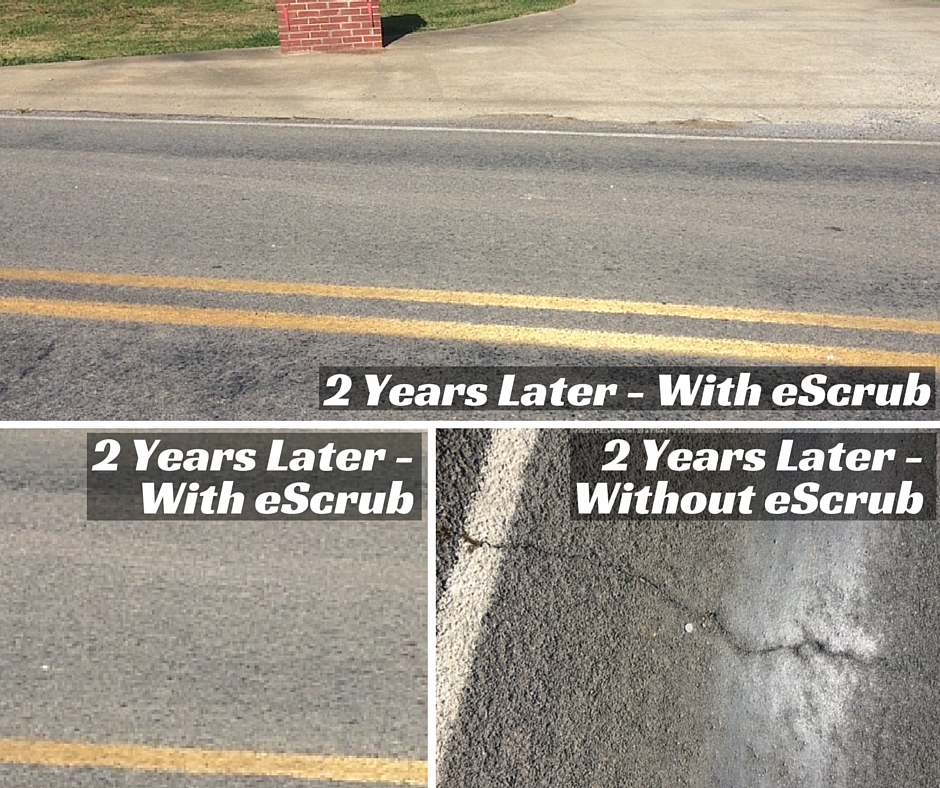
The County had exhausted their supply of eScrub toward the last 500 feet of the project. County Engineers decided to apply three layers of CRS-2P on the last section, rather than ordering more eScrub, since it was such a small area. The same aggregate spread rates were used on both sections. This side-by-side comparison offered them the opportunity to evaluate the difference in the outcome of a triple seal using eScrub versus the conventional triple seal using only CRS-2P.

eScrub Provides Stellar Results

Before this repair, similar cracking was observed both in the section where eScrub was used as well as the final 500 foot section where only regular CRS-2P chip seal emulsion was applied. After just one year, where eScrub was not applied, the original cracks had worked their way to the surface. Two years after completion, the section where eScrub was applied has held up well with no signs of cracking for the entire area. eScrub’s mass crack sealing performance cannot be overlooked.

Test Section 2 Years Later - With eScrub (1)

St. Clair County continues to be pleased with the overall outcome of the Blair Farm Road repair and has even placed video of the eScrub project on their website at

chickasaw roads

Background: Village Road – Kingston, Oklahoma

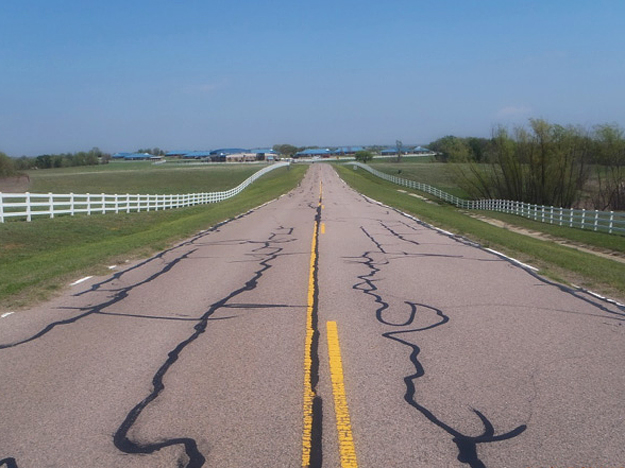
Village Road is a hot mix asphalt pavement that was constructed more than ten years ago. Used exclusively to access the Chickasaw Children’s Village, a residential and educational campus for Native American children from troubled homes, the pavement had deteriorated over time due to untreated cracking and oxidation. Faced with the prospect of resurfacing the road with hot mix asphalt for an estimated $140,000, or restoring it using pavement preservation products and techniques at a dramatically lower cost, the Chickasaw Nation chose to preserve the existing pavement.

Application Highlights

Working closely with Ergon Asphalt & Emulsions, Inc.’s Area Sales Manager Johnny Roe and Paving Maintenance Supply, Inc.’s Sales Representative Zach Burkey, the Chickasaw Nation Roads Department chose to restore Village Road using pavement preservation best practices – starting with crack sealing. Using a Crafco Super Shot 125 Melter/Applicator purchased from PMSI, an internal crew from the Chickasaw Nation Roads Department sealed the pavement’s cracks using Crafco Road Saver 515 crack sealant. It took approximately 2,600 lbs of crack sealant to cover the entire mile, which would average $3,600 regionally. Without taking this measure, the cracks would have eventually worked their way back to the surface.

villagecracks01

Nick Woodward, Special Projects Manager of the Chickasaw Nation Roads Department, chose to chip seal Village Road using the polymer-modified asphalt emulsion, CRS-2+. The emulsion was chosen based on the amount of traffic the road receives, as well as the Chickasaw Nation’s prior positive experiences with the product. CRS-2+ is produced at an Ergon Asphalt & Emulsions facility in Lawton, Oklahoma, and has become the Chickasaw Nation’s preferred chip sealing emulsion. A 3/8” limestone aggregate from the Dolese Quarry in Coleman, Oklahoma, was used for the project, and PSI Seal Masters, Inc. of Davis, Oklahoma, was selected as the contractor.

A calibration issue with the distributor’s onboard computer on the front end of the job caused the binder application rate to be lighter than the expected 0.4 gal/sq yd. The issue was quickly corrected, but a portion of the pavement received only 3/4 of the material needed to securely hold the aggregate to the surface of the roadway. Woodward and Roe planned to apply a heavy fog seal at 0.15 gal/sq yd to compensate for the lost binder and improve the overall aesthetics of the surface. But on the day of application, they devised a superior solution. A double fog seal would provide better coverage, last longer and look better. And by applying the product in two layers, each at 0.10 gal/sy for a total of 0.20 gal/sy, more material could be utilized while greatly reducing the risk of runoff.

Chickasaw Childrens Village 2013 003

The specified fog seal was CQS-1F, an Ergon Asphalt & Emulsions product produced in Catoosa, Oklahoma. CQS-1F provides twice the residual of its regional alternative, SS-1, and gives surfaces a noticeably darker appearance. Perhaps most importantly, CQS-1F cures in under an hour, compared to anywhere from two to four hours with SS-1. These properties made it a desirable choice for the Chickasaw Village road.

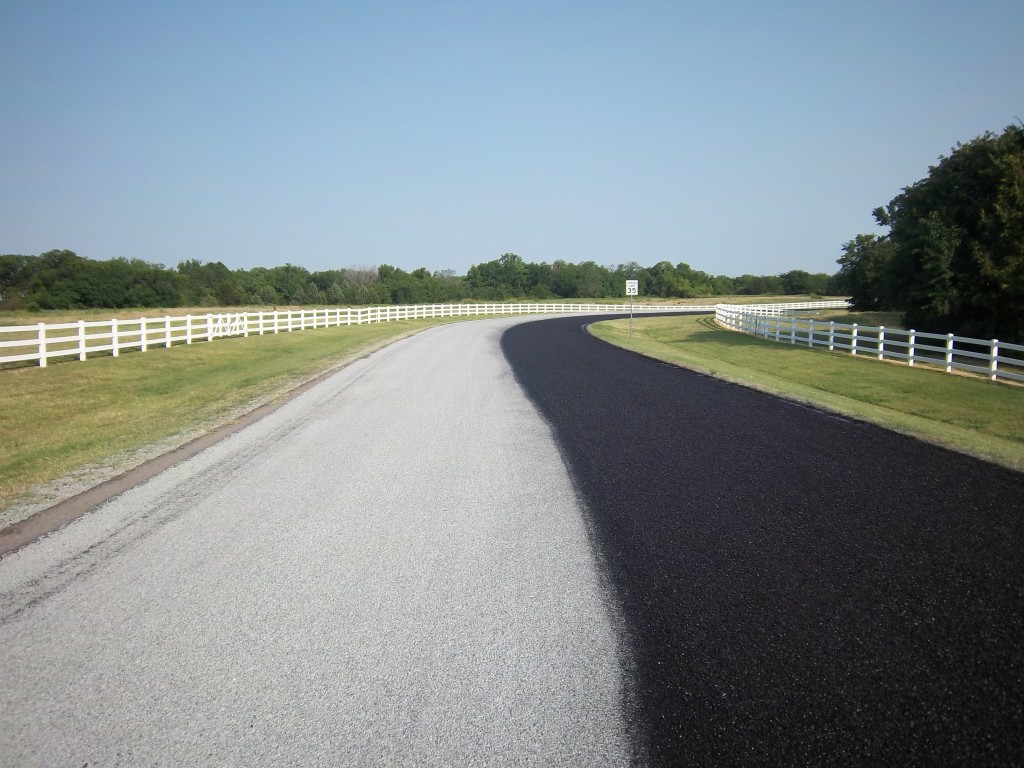
PSI Seal Masters, Inc. shot the CQS-1F on one side of the mile-long road at 0.10 gal/sq yd. They then returned to their starting point and applied the fog seal to the other side of the pavement at the same rate. Weather conditions were ideal. Warm temperatures and a strong breeze allowed the fog seal to dry in approximately 20 minutes, far quicker than average. Once the material had cured, crews immediately applied a second coat at 0.10 gal/sq yd. Dry weather and the engineered fast cure times helped the material break quickly, preventing any runoff.

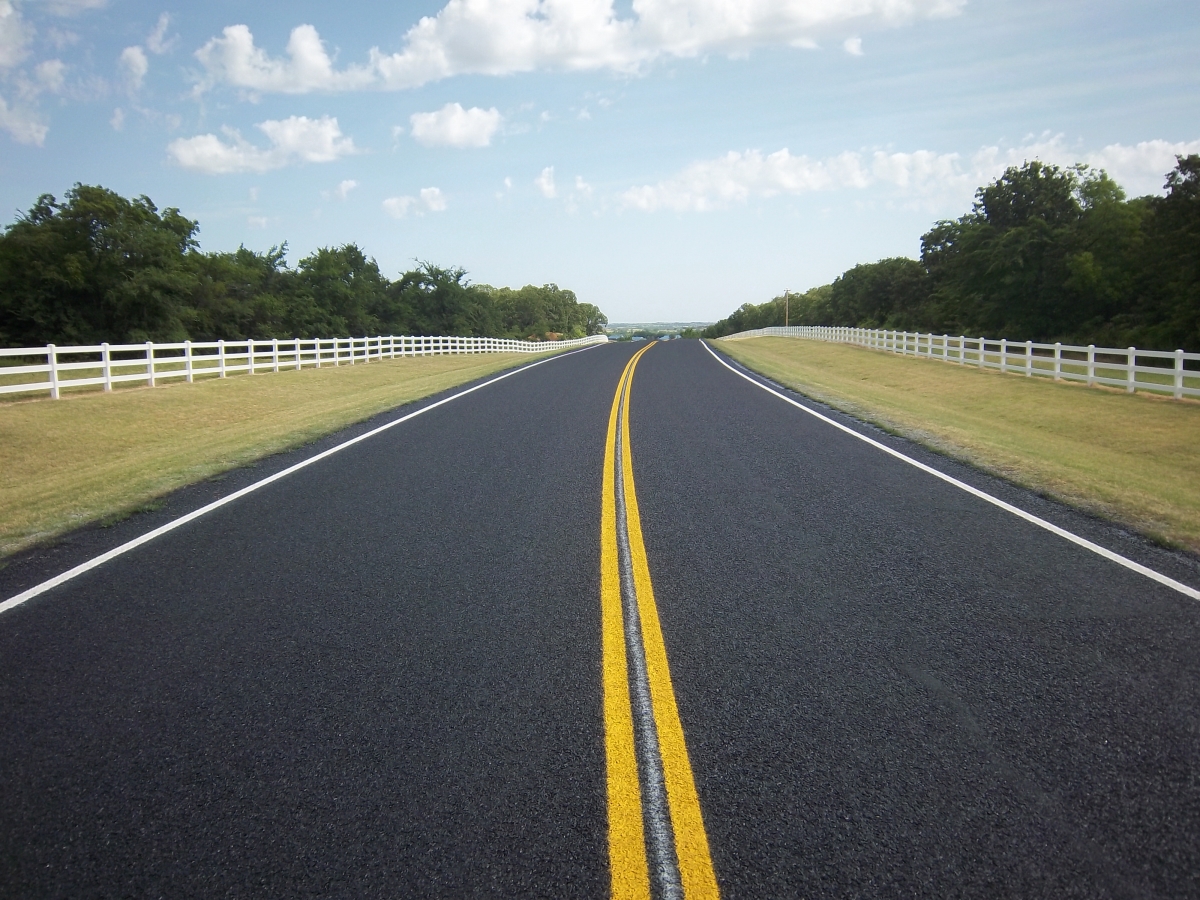
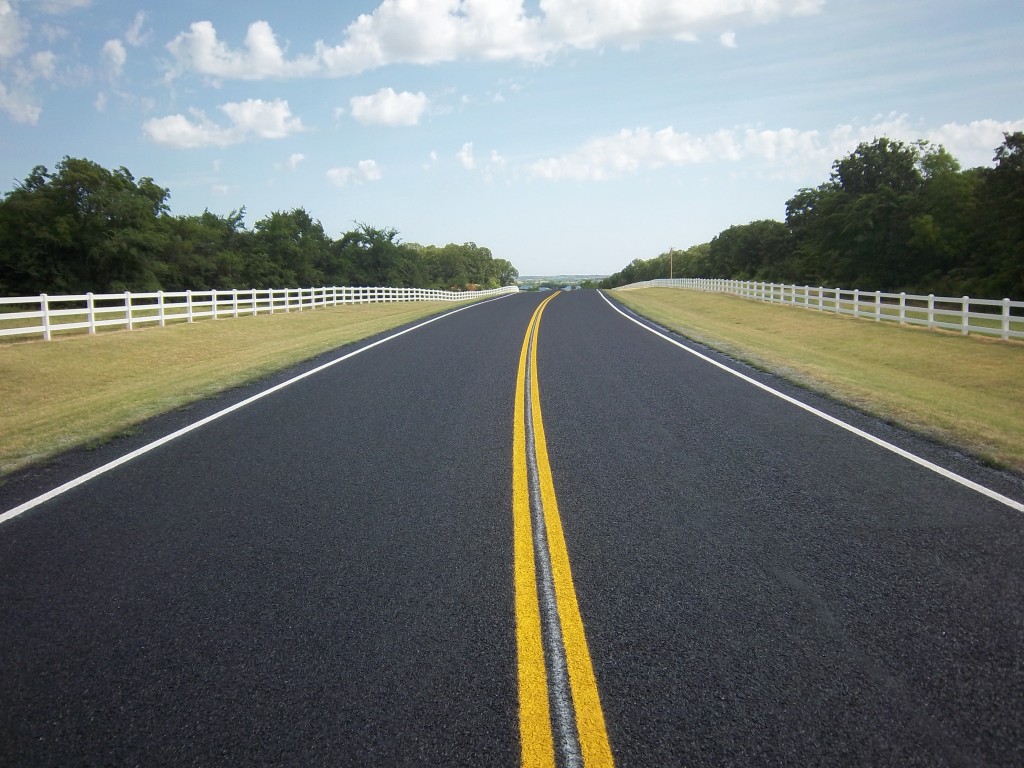
The double fog seal provided a dark, textured look that rivals the appearance of hot mix asphalt. But the benefits of the technique extend beyond aesthetics. The added layer also acts as a laminate for the chip seal underneath, protecting the surface from traffic and environmental elements while locking in the aggregate.

Chickasaw Childrens Village 2013 030

Properly crack sealing, chip sealing and fog sealing can add years of service life to a pavement. Given the extra protection afforded by the double fog seal, it’s anticipated that the Children’s Village road will last even longer than originally expected. With timely maintenance, the chip seal should have no trouble achieving a 10-13 year lifespan. And the cost to achieve those extra years is impressively low.

In Oklahoma, 2,600 lbs. of crack sealant averages about $3,600. A single CQS-1F fog seal is typically $3,000 per mile on a 24-foot wide road, and a chip seal costs approximately $2.00 per square yard. The total for these preservation treatments amounts to approximately $45,000. In comparison, one mile of hot mix asphalt would cost approximately $140,000, plus an additional $25,000 for milling.

The Chickasaw Nation was so pleased with the results of the double fog seal at the Children’s Village that they recently used the method on another road in nearby Ada, Oklahoma. They achieved similar results on that project in both aesthetics and cure time, which was less than 45 minutes.