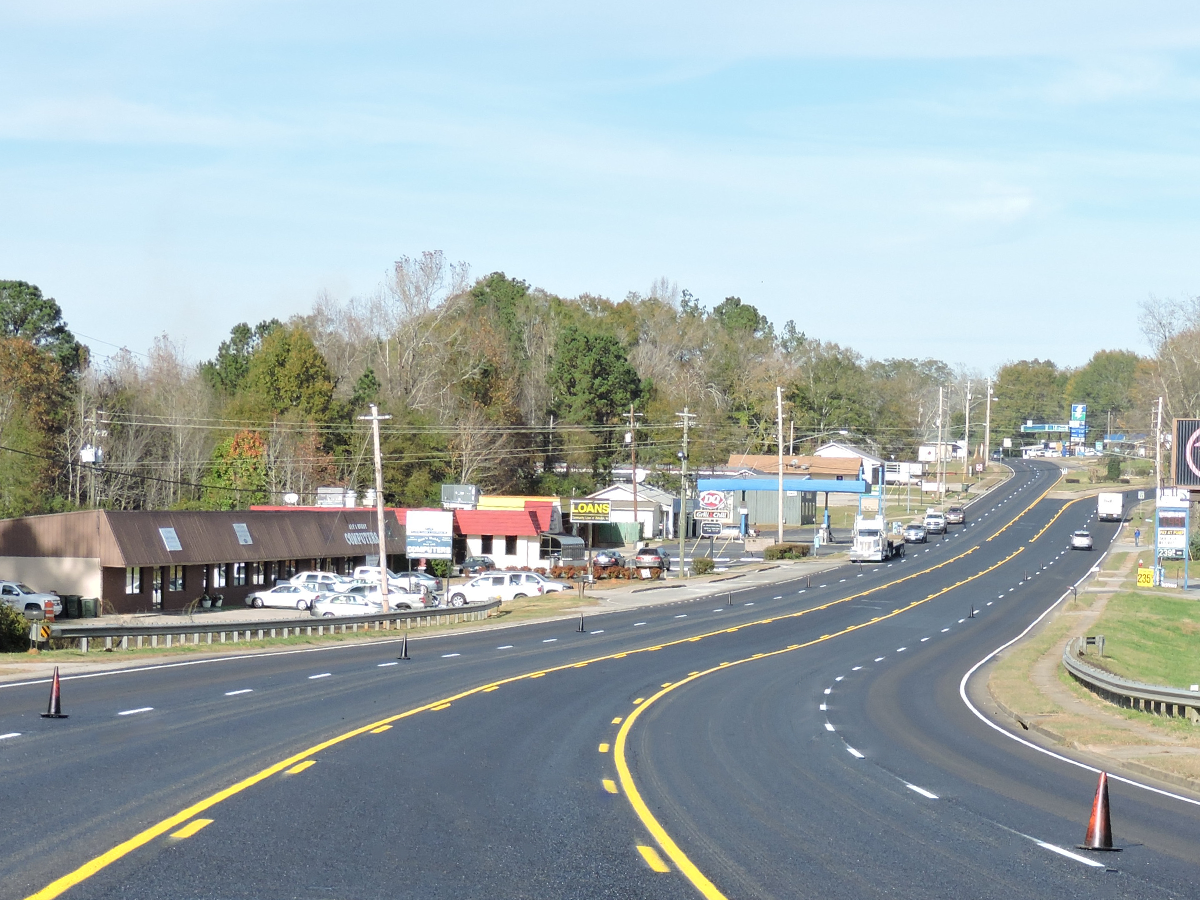
Historically, many owner agencies in the Boston metro area and throughout the region   would predominately utilize mill-and-pave/mill-and-fill techniques to address roadway distresses brought on by aging, traffic and environmental factors. That is, until indus representatives helped enhance the Town’s understanding of the concept of pavement preservation and various options available to improve road performance and cost-effectively extend service life. One of those options presented was rejuvenating fog seal.

Upon learning more about the benefits of fog sealing from long-time industry resource, Ergon Asphalt & Emulsions’ (Ergon A&E) Scott Metcalf, indus approached the Braintree Engineering Department with what would become a years-long case study examining the impact of rejuvenating fog seal applications, including how they help delay the need for more costly maintenance over time. The Town engineer agreed to allow indus to test the potential value of fog seals on a quarter-mile segment of Granite Street, a heavily trafficked road right around the corner from indus headquarters, applying the treatment every three years until the need for more costly maintenance presented itself. An overview of the application and present-day results follows.

eFog Rejuvenating Fog Seal Case Study

In September 2015, northbound and southbound lanes of Granite Street received a 2″ HMA mill-and-pave. Indus planned to apply a fog seal the following year and then every three years thereafter to the southbound lane of the quarter-mile test segment. The northbound lane would be left untreated, allowing indus and the Town Engineer to compare the condition of treated versus untreated roadway sections.

Ergon A&E’s eFog rejuvenating fog seal was the emulsion selected for this study. Part of the exclusive eSeries product line, eFog helps restore essential elements to asphalt pavements that are lost due to the aging/oxidation process. “It’s like sunscreen for your road,” said Metcalf. “It reduces oxidation, kind of like sunscreen helps prevent burns to the skin.” Additionally, eFog helps prevent raveling caused by oxidation and can be used as a cold pour crack filler. Agencies see a typical life extension of 2-4 years for pavements treated with a single application of eFog.

Application Highlights

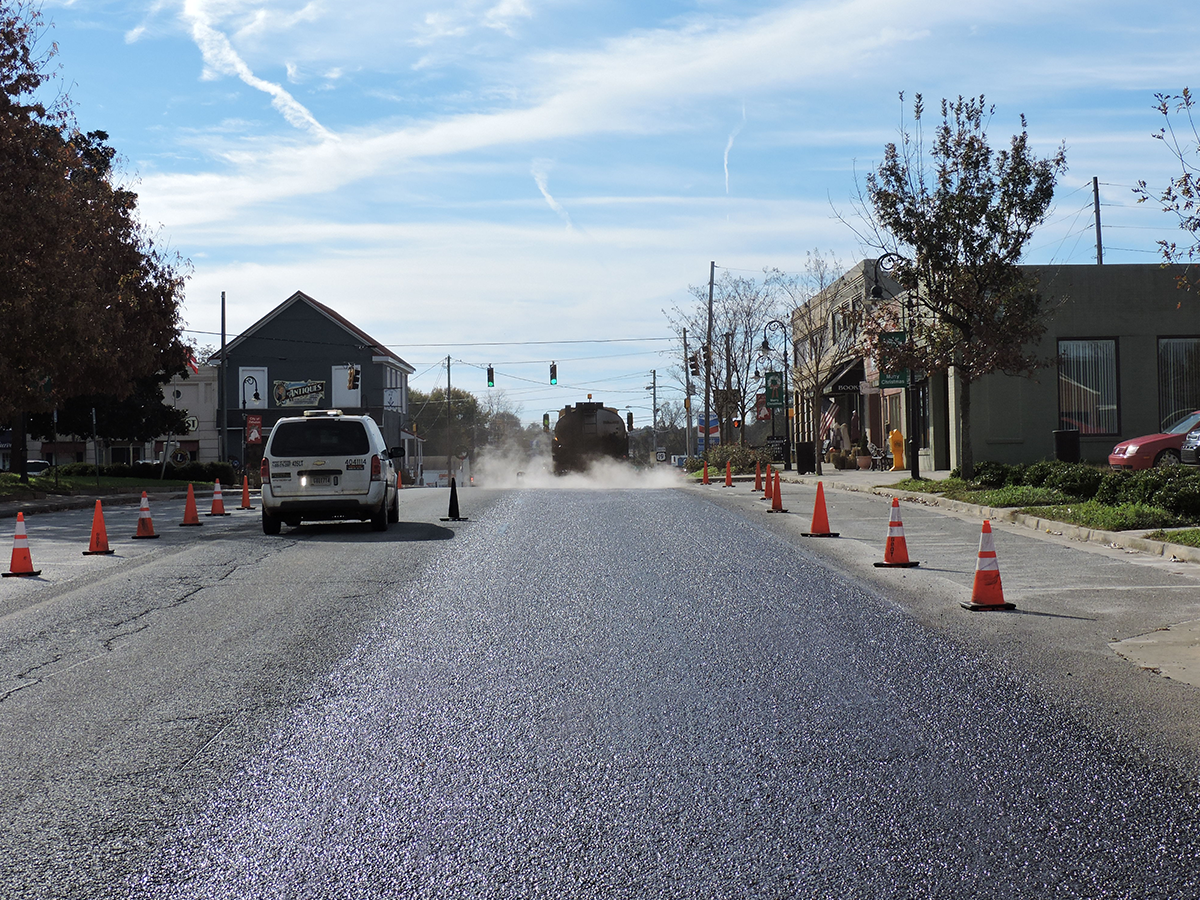
In 2016, eFog, supplied by Ergon A&E, was applied on the southbound lane of Granite Street at a rate of 0.10 gallons per square yard. Three years later, eFog was applied to the previously treated southbound section at 0.08 gallons per square yard, and then again in 2022 at 0.08 gallons per square yard. Suit-Kote, a vertically integrated asphalt emulsion manufacturer, applicator and engineering/technical services company licensed to manufacture and sell eFog throughout the Northeast, provided the emulsion utilized for the 2019 and 2022 applications.

Results

“We have witnessed raveling occurring in new asphalt pavements very soon after their installation. With eFog rejuvenating fog seal, we have been able to help our clients slow this pavement distress and, in several cases, prevent raveling from occurring when applied early. As pavement managers search for cost-effective methods to maintain their asphalts, we have found eFog to not only extend the life of their pavements, but to do it at a very low equivalent annual cost.”

– Art Baker, Client Services Manager for Indus

Results to date clearly show eFog has delayed the need for milling and repaving. A comparison of treated versus untreated sections of Granite Street, seven years after the initial mill-and-pave, reveals noticeably more raveling and fine aggregate loss in the untreated lane than the treated lane. Whereas the Town of Braintree would expect to mill and repave aged and distressed pavements every 10 to 12 years, if not sooner, the treated section of Granite Street is showing no signs of the need for such invasive and expensive measures.

Additionally, a snowstorm highlighted another benefit of rejuvenating fog seal as a surface protection solution that helps prevent moisture intrusion. Following the storm, indus noted the treated southbound section of Granite Street dried much faster than the untreated northbound section. This is an important distinction, especially in a freeze-thaw environment like the Northeast, as moisture in pavement can lead to faster deterioration.

The eFog applications and case study will continue every three years until the need for a more costly intervention treatment arises. The longer indus can successfully reapply eFog while achieving  exceptional performance, the better for making the case for rejuvenating fog seals as a cost-effective method for maintaining roadways in the region.

____________

As a leading industry resource committed to improving infrastructure across the U.S., Ergon A&E was happy to be part of this endeavor to not only highlight rejuvenating fog seal, but to show agencies how pavement preservation techniques can help make the best use of road budgets.

_____________

In addition to eFog, Ergon A&E offers conventional and high-performance fog seal emulsions for various road needs. Contact one of our expert team members to learn how we can put our fog seal products to work for you.

Micro Surfacing Yields Consistently High Friction

High friction (or skid resistance) allows vehicles to move at accelerated speeds while reducing the tendency for slipping and sliding of tires along pavement, thereby decreasing the risk of skid-related accidents. When checking friction numbers within their road network, TxDOT reps found that a 10-year-old micro surfacing treatment produced the best results, which led them to reconsider its use.

“We checked friction numbers on many roadway surfaces including various seal coats (chip seals), hot mixes, LRA (limestone rock asphalt) and micro surfaced roads,” said Lewis Nowlin, P.E., former Area Engineer, TxDOT, San Angelo District, Junction Area Office. “I was surprised to see that a section of I-10 with 10-year-old micro surfacing resulted in the best friction numbers. These results helped our district make the decision to go with micro surfacing to help improve friction on another section of I-10 in Crockett County.”

Benefits

Micro surfacing treatments provide long-term results including a durable and high-friction surface that allows roads to withstand damage from heavy traffic loads as well as extreme weather, which helps to reduce the likelihood of vehicles skidding at accelerated speeds and/or hydroplaning. “When you’re looking to increase friction, the main product that’s going to get you the numbers you need is micro surfacing,” said Cody Chambliss, EAE Area Sales Manager – Texas.

Cost Savings

Typically, treatments such as an ultra thin lift overlay (UTLO) would be used to fix wear and tear and strengthen high-speed roads. This is certainly an exceptional tool to have in your toolbox if your budget allows for continual use of such an application; however, micro surfacing can yield greater long-term friction results throughout its service life than UTLO, and at a lower cost. On average, a UTLO is $6.50 per square yard. That’s almost double the cost of micro surfacing. The sheer volume of miles in need of improved friction numbers within TxDOT’s network called for a more conducive and economical solution.

Pre-Construction Training Offered

TxDOT had used micro surfacing in years past, but with the normal personnel changes in the department, its use began to dwindle. Opportunities for newcomers to learn more about its specific benefits for roads in their network had not been fully realized. “Since it had been 10 years since our last micro surfacing project, I was unaware of all the changes to the design and specifications,” Nowlin added.

Evaluation of surface friction across their network convinced TxDOT that they should give micro surfacing another try. Once the I-10 project was let and awarded, Ergon Asphalt & Emulsions (EAE) proposed a session in which the contractor, Intermountain Slurry Seal, would conduct design, application and inspection training to help TxDOT become better acquainted with best practices for successful micro surfacing treatments. EAE was on hand to provide input and support during the session.

“The training offered was crucial in ensuring a successful project,” said Nowlin. Upon completion of training, TxDOT was ready to move forward with the I-10 micro surfacing project, which was perfect for micro surfacing because of the high-speed traffic in the area.

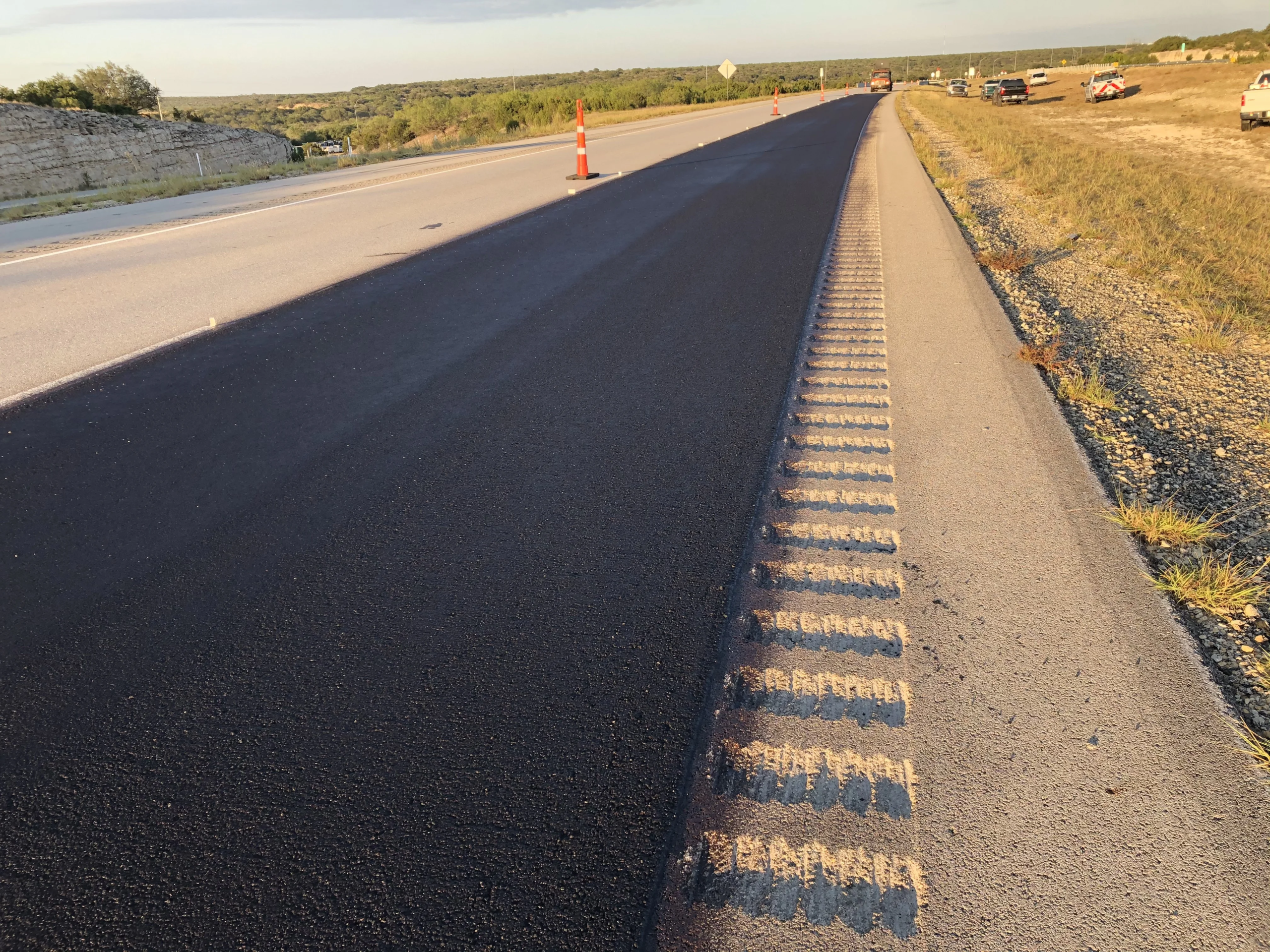
It was also decided that a fog seal would be applied on shoulders along I-10, which would restore essential properties to the asphalt on these sections that were lost over time due to exposure to high west Texas temperatures.
Application Highlights

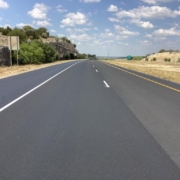
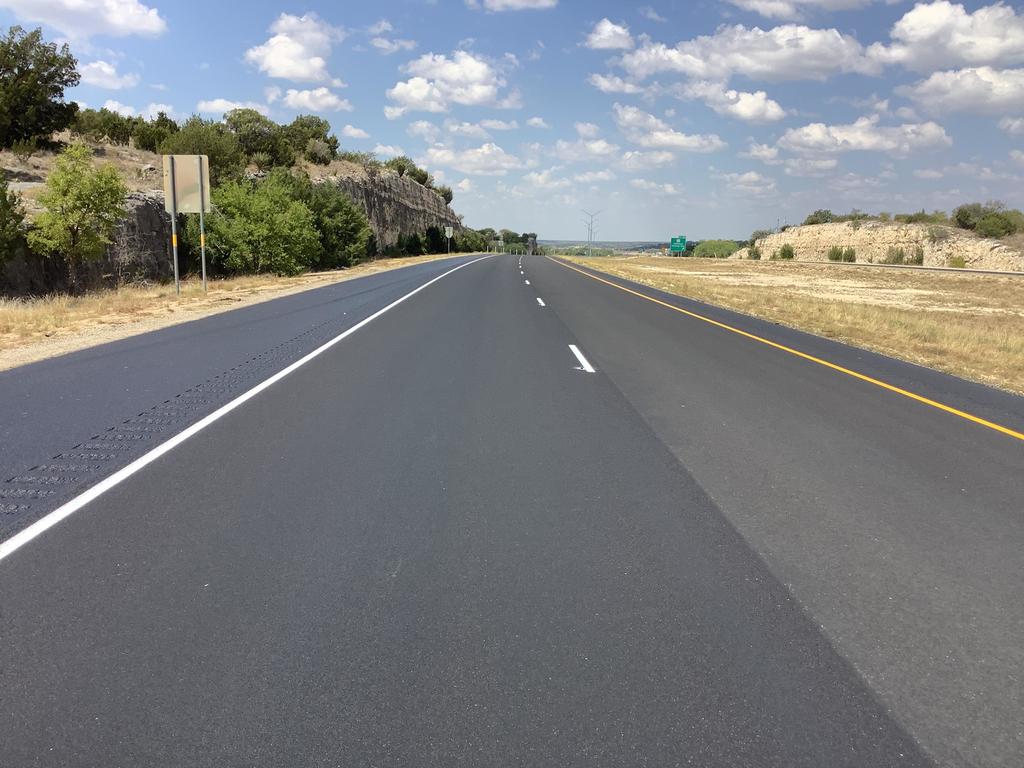
On August 3, 2020, Intermountain Slurry Seal began the process of applying the micro surfacing solution, supplied by EAE, at 22 pounds per square yard along the 96 lane mile stretch of I-10. Exit and entrance ramps throughout the project also received micro surfacing. The treatment was applied in two-mile increments, with traffic shifted to one lane during application. The fog seal, using EAE’s eFog rejuvenating fog seal emulsion, was applied on the shoulders at 0.10 gallons per square yard. Section by section, both treatments cured in less than an hour, at which time traffic was returned. The entire project was completed by September 1.
Results

The contractor did not encounter any raw material challenges during application, and TxDOT continues to be pleased with the results. There are plans for 2021 micro surfacing applications on roads where improved friction is necessary to ensure driver safety, including more in the San Angelo district.

Read about more conventional micro surfacing success stories here, and be sure to contact one of our expert team members in your area to learn how this solution can provide lasting benefits to roads in your network.
One hundred lane-miles of State Route 3, which run through the city of Zebulon, Georgia, were experiencing slight raveling and block cracking on the 12-year old Open Graded Friction Course (OGFC) surface. It was time to take proactive measures toward preventing these distresses from becoming more expensive to correct. While 12 years is a little late in the life cycle of an OGFC to begin the preservation process, the Georgia Department of Transportation (GDOT) previously had a positive experience with what had proven to be the best solution for addressing raveling, among other distresses, on aged OGFC, as was the case on State Route 3.

If It Works…Use It

In 2014, GDOT completed a fog seal application on I-475 using eFog rejuvenating fog seal provided by Ergon Asphalt & Emulsions, Inc. (Ergon A&E). eFog was applied to prevent further raveling, which was present in various degrees of severity along the roadway. Still pleased with the results ten months later, GDOT decided to apply this emulsion to the section of State Route 3 in need of maintenance. The only other option was a mill and fill, which would have cost GDOT an estimated $6.5 million more than the eFog application. Generally, fog seals are applied to lock down stone in order to prevent raveling and protect the underlying asphalt layers. In addition to these qualities, eFog, part of Ergon A&E’s family of pavement preservation and maintenance products, is manufactured with a polymer modified asphalt base, which provides a denser film thickness compared to conventional fog seals and increases durability and resistance to tracking as well. eFog contains a rejuvenator that restores essential elements in the existing asphalt that are lost due to oxidation from UV exposure and also during mix manufacturing, storage and application processes. The rejuvenator also allows this emulsion to serve as a bond coat or crack seal in certain instances. eFog is capable of carrying traffic approximately 30 to 45 minutes after application and extends the life cycle of a roadway for a number of years. Zeb2 eFog Application in Zebulon, GA.

Applying the Formula

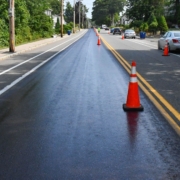
The 5-lane, 100 lane-mile project was completed in five weeks with GDOT maintenance crews working four days a week without delay. eFog was applied at a shot rate of 0.20 gallons per square yard to each lane and cured within 45 minutes. Lanes were closed to traffic during application to maintain the safety of the maintenance crew and to give the eFog emulsion proper time to break. zeb3 edit eFog application completed.

Save Your Road, Save Your Money

With the help of Ergon A&E, GDOT was able to revive the road surface, improve ride quality and extend the service life of State Route 3, while also saving millions of dollars by continuing their investment in the pavement preservation concept. GDOT was pleased with the initial outcome of this application and expects longer-term results to live up to the standard that has come to be associated with eFog. Plans are already underway for other eFog projects within the state.

Background

Interstate I-475 Maintenance Project

Georgia’s interstate system has some of the highest quality pavements money can buy: open graded friction courses (OGFCs). These mixes make excellent wearing surfaces due to their high friction properties and surface permeability. OGFCs are much safer to drive on during heavy rainfall than dense graded surfaces because the mixture is designed to significantly reduce vehicle spray. However, this same quality makes OGFCs susceptible to raveling, particularly in areas that experience frequent snow and ice, and areas of severe sunlight. They are also expensive to maintain. In the case of Interstate 475, just like many other roads across the country, there simply wasn’t enough money in the state’s budget to repave the aging roadway. As it reached 12 years of service life, I-475 experienced preliminary raveling, and in some places, total section loss. The Georgia Department of Transportation (GDOT) needed a way to preserve approximately 90 lane-miles of the six-lane road until they could afford a more long-term solution.

After considering a number of possible preservation solutions, including a micro mill and inlay, GDOT decided that a rejuvenating fog seal would be the best solution, due to its easy application process and low cost, compared to other options. Ergon Asphalt & Emulsions, Inc., recommended eFog rejuvenating fog seal as the most effective pavement preservation solution for this situation.

Rejuvenating fog seals correct more severe distresses than a conventional fog seal and can extend the service life of OGFCs by three years or more. eFog, part of the e-Series family of pavement preservation and maintenance products, is manufactured with a polymer-modified asphalt base, which provides a denser film thickness compared to conventional fog seals, increasing durability and resistance to tracking. Its rejuvenating qualities restore essential elements in the existing asphalt that are lost due to oxidation from UV exposure and during the mix manufacturing, storage and application processes. eFog is also capable of carrying traffic as soon as 30 minutes after application. This is important for heavily trafficked roadway systems, such as I-475, where a quick return to traffic is crucial.